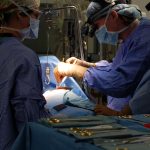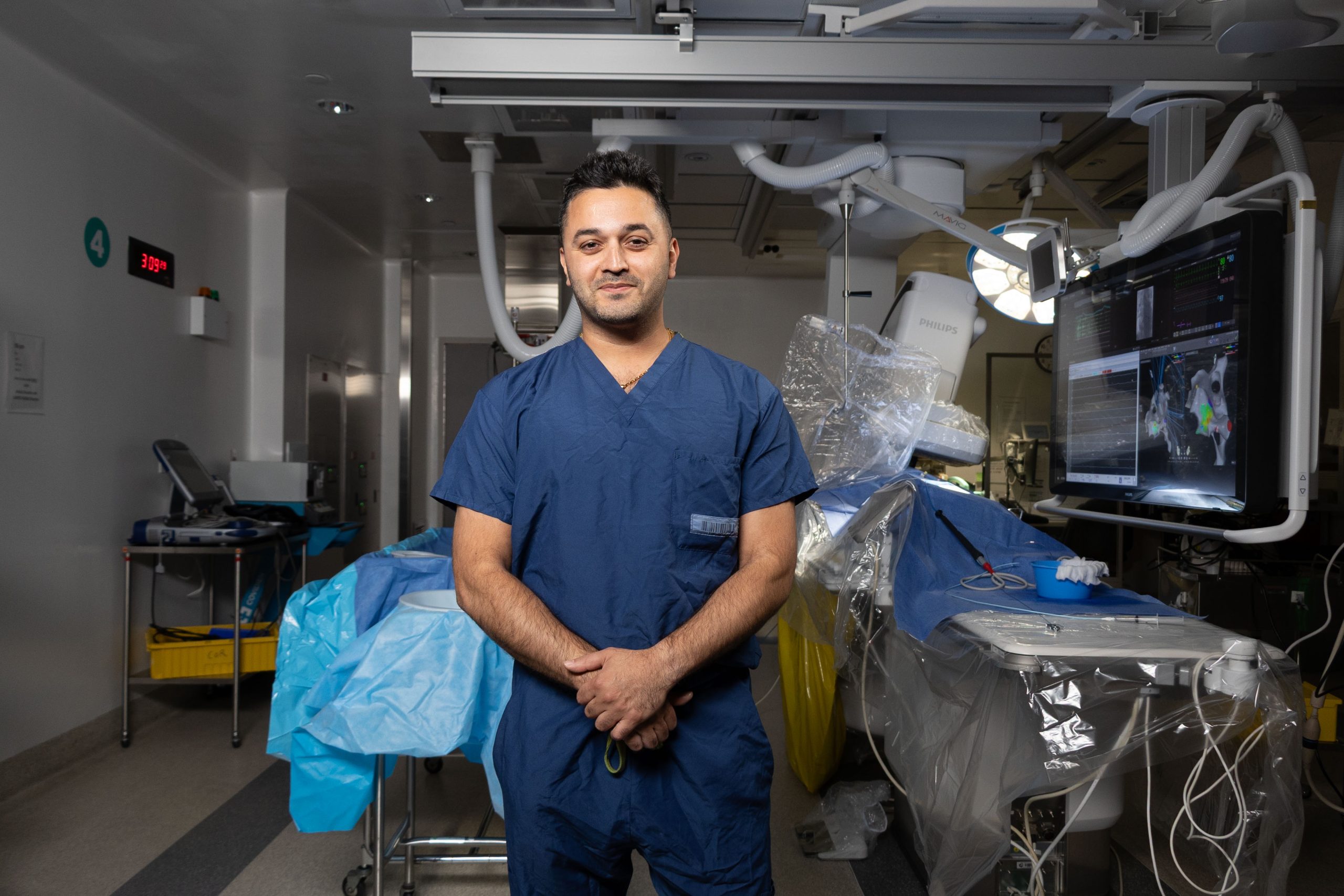
When I was in training, I was struck by how invasive heart surgery could be and the toll it took on patients. I was determined to find a better way. I went to Harvard and began experimenting and developing more innovative and less invasive techniques. Since then, I have dedicated my career to refining surgical methods that allow for open-heart operations to be performed in a simpler way or through smaller incisions—often between the ribs— helping patients recover faster with less trauma.
After returning from Harvard, it was the Ottawa Heart Institute’s passion for innovation and its supportive environment that uniquely allowed me to pioneer a minimally invasive coronary bypass operation referred to as MICS CABG (Minimally Invasive Cardiac Surgery – Coronary Artery Bypass Grafting). It is now the fastest growing heart surgery technique in North America. Prior to our major breakthrough, minimally invasive bypass surgery was only possible by way of a single bypass… we were the first ones to make it safe, possible, effective, and durable for multiple bypasses, with our landmark series of patients and research now quoted all around the world.
This is just one of the minimally invasive cardiac procedures that the Institute’s surgeons can offer their patients.
Each year, surgeons from around the world come to the UOHI to learn these techniques from us. Minimally invasive cardiac procedures have become a complete gamechanger and enhance our mandate of patient-first care. By avoiding a larger sternal incision or the use of the heart and lung machine, patients receive a state-of-the-art operation offering minimal blood loss, less tissue damage, and a lower risk of infection—often through the tiniest of scars. These benefits result in a shorter hospital stay and faster overall recovery, while preserving the benefits and durability of heart surgery. Patients tell us frequently how much it means to them to be able to make a faster return to their careers, businesses, families, and active lifestyles.
We are also excited that our research, including the findings of a recent major trial, have concluded that minimally invasive bypass surgery versus conventional bypass surgery is a better option resulting in faster recoveries, less blood transfusions, and less complications.
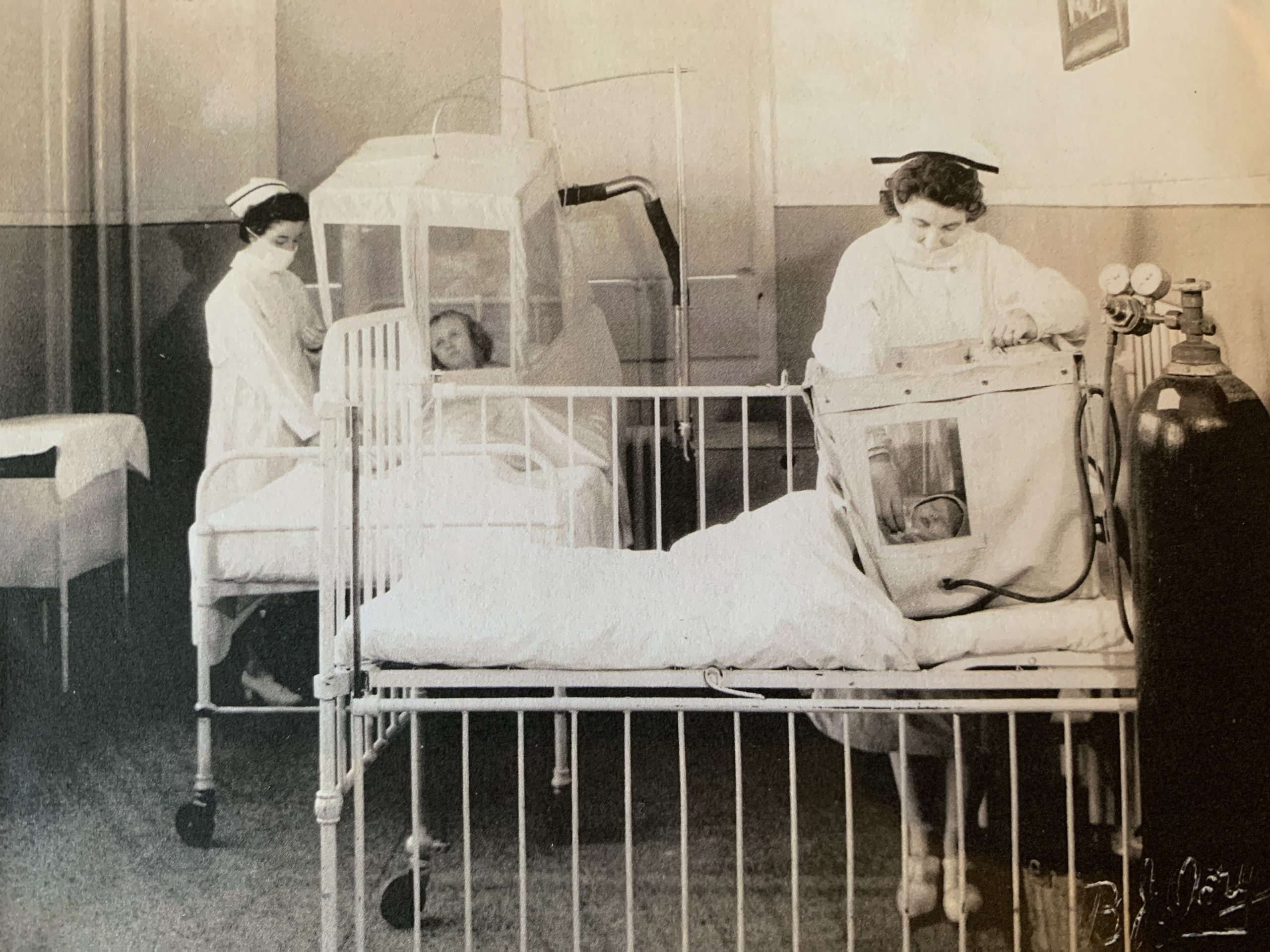
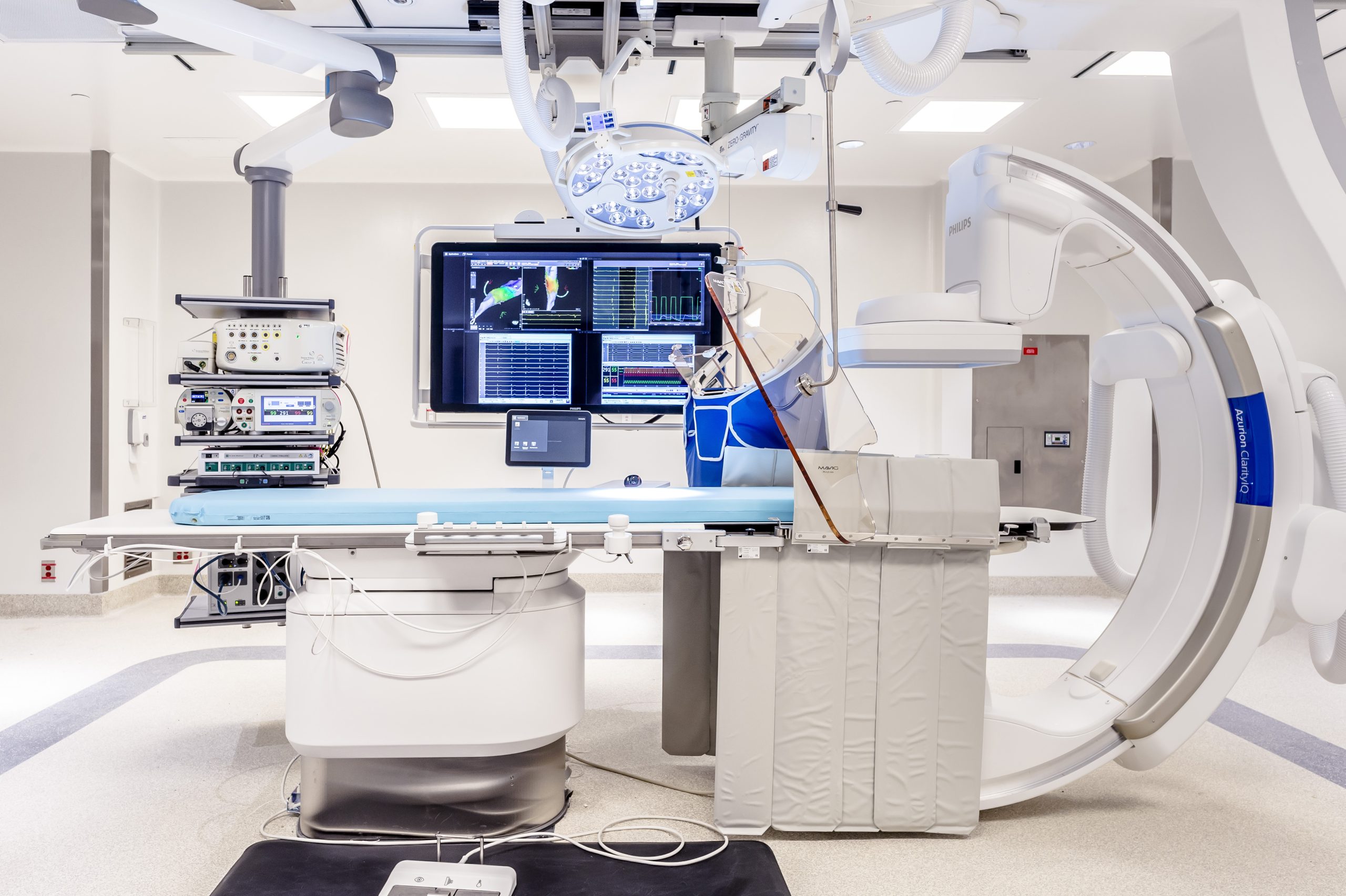
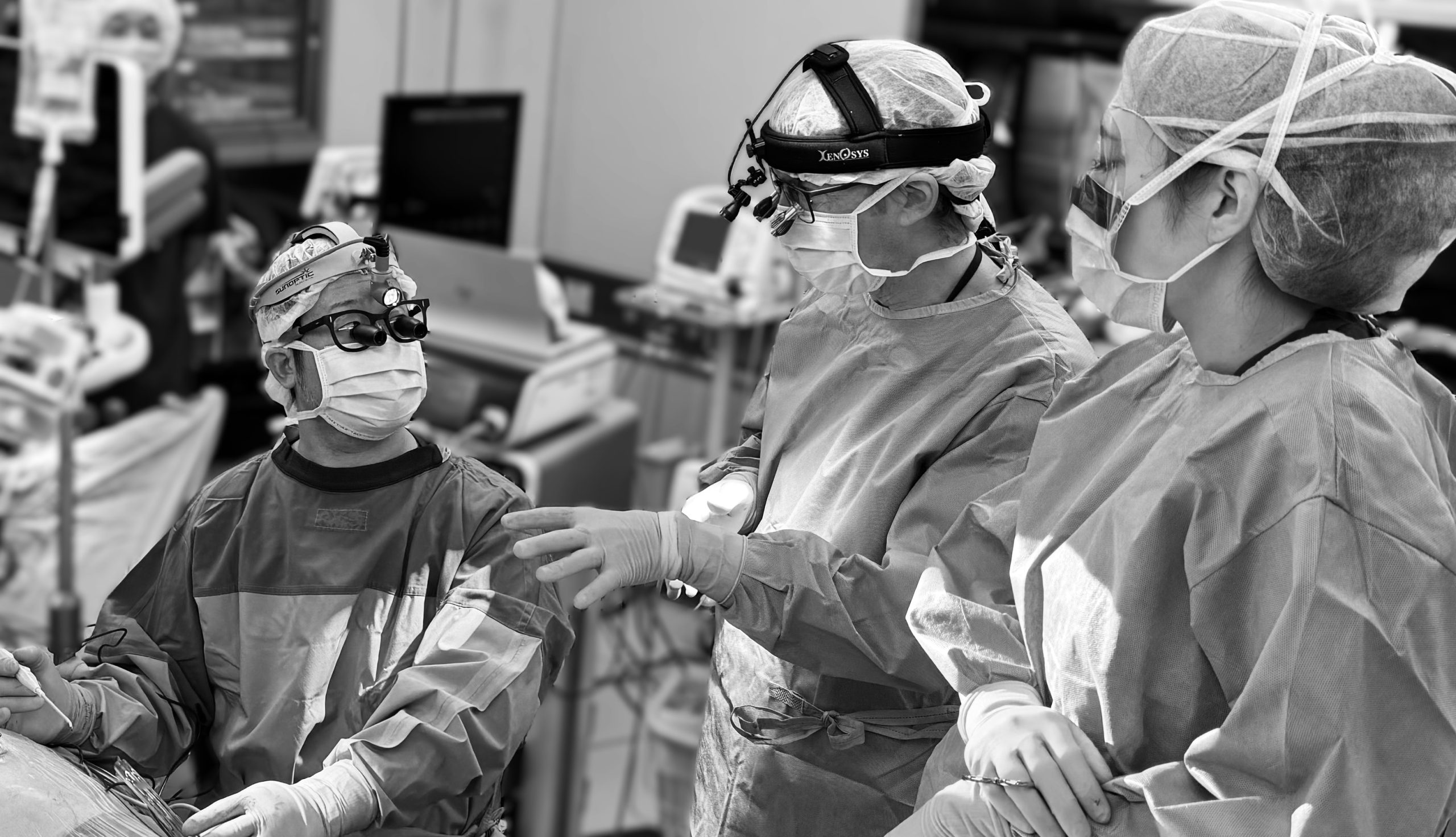
Notably, 20 years ago when we first started performing advanced minimally invasive cardiac procedures, the tools available were only regular surgical instruments, our team’s devotion, our hands, and our eyes. Through the recognized success of our team’s work at the Institute, and thanks to donor generosity, our program is now able to provide robotic assistance for minimally invasive heart procedures. The use of this cutting-edge technology allows us to enter and explore the chest cavity using microscopic cuts, greater precision and three-dimensional imagery. Our patients have minimal blood loss and can be ready to go home the very next day – outstanding! We are now training centres from around the world, including top US institutions.
Nowadays, I run a busy practice and perform most of my surgeries without having to perform a breastbone incision. Over the last two decades, the Institute—thanks to your support—has become a recognized global leader and destination for minimally invasive cardiac surgeries, with patients from coast to coast and around the world seeking our expertise.
We are proud to be able to serve our population in a unique, innovative, tailored, and best possible manner. Anyone, regardless of means, can come to the UOHI and receive the highest level of care available.
To meet the needs of our growing patient population, the Institute has also become a leader in training the next generation of surgeons to perform minimally invasive cardiac surgeries, as this is the way of the future.
There is no question that these procedures are preferred by patients and their cardiologists. Our surgical trainees are now preparing for minimally invasive heart surgeries to be their go-to operations.
Our team is proud that Canada is becoming the global stage for minimally invasive cardiac surgery. As a centre of excellence within Canada and internationally, the UOHI is providing examples for others to emulate in their own fields. Now more than ever, it is key to demonstrate Canadian leadership on the world stage. The power of medicine and the impact of innovation can be incredibly moving. I have said before that as a trainee surgeon, every opportunity I had to operate on or near the heart felt like magic. I still believe in that magic and feel it every time I step into the operating room. I wish all of you some magic this holiday season and thank you again for being a valuable part of our Heart Institute family.
Yours,
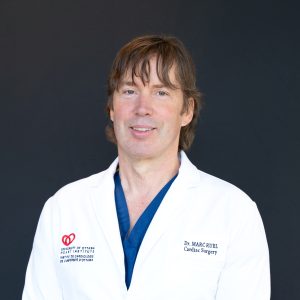
Dr. Marc Ruel
Cardiac Surgeon
Professor, Endowed Chair
Director of Minimally Invasive Cardiac Research,
Division of Cardiac Surgery,
University of Ottawa Heart Institute.
P.S. Your gift this season will support patient care by helping to expand the Robotic and Minimally Invasive Cardiac Surgery programs. Donor contributions will help provide valuable equipment and tools, such as a robotic teaching console (a second console to allow our trainees to perform parts of the procedure in complete safety, while I directly supervise and guide their technique), along with training surgeons at the Institute and from abroad to best meet the needs of our growing population and in turn serve their own constituencies.