Many times, during my 25 years in healthcare, I have witnessed the devastating toll that heart disease has taken on our patients. Knowing that many of these outcomes might have been prevented, I have often wished there was a way to turn back the clock.
At the Ottawa Heart Institute we are always here for those who need us from emergency procedures to ongoing treatment. But wouldn’t it be great if we could prevent some of our patients from ever needing us at all?
Sadly, cardiovascular disease remains a leading cause of death in Canada. Too often, it is only revealed through a life-altering or fatal cardiac event.
As heart disease touches millions of lives, many of the Heart Institute’s staff , including myself, have been professionally motivated by personal experience.
I was born in Kirkland Lake, a small mining town in Northern Ontario, the youngest of seven children. My interest in helping others was ignited as a young lifeguard and cemented when my father died prematurely of a heart attack during my last year of high school. Years later I lost my eldest brother to cardiovascular disease as well, when he was only 49.
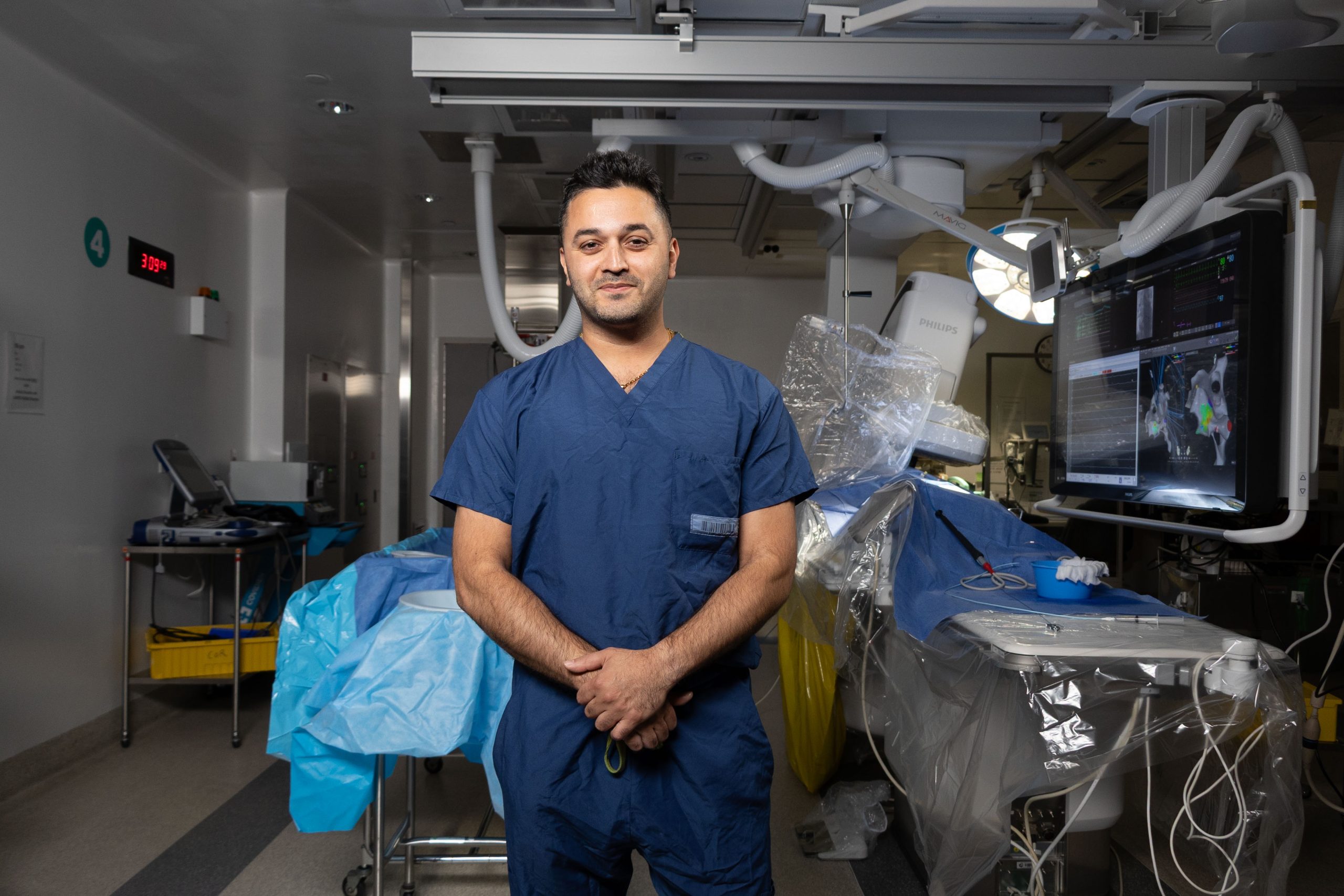
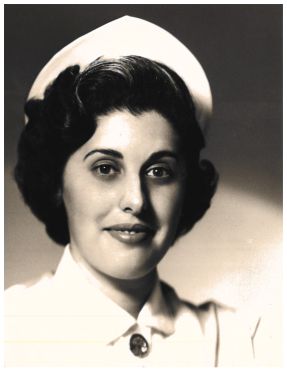
In 2001, I was hired as a critical care nurse in the Heart Institute’s Cardiac Surgery ICU. Today, as the Institute’s Vice President, Quality, Risk and Health Information, my work has evolved from caring for critically ill patients after open heart surgery, to looking at the prevention and eradication of heart disease.
At the Ottawa Heart Institute we are always here for those who need us from emergency procedures to ongoing treatment. But wouldn’t it be great if we could prevent some of our patients from ever needing us at all?
Sadly, cardiovascular disease remains a leading cause of death in Canada. Too often, it is only revealed through a life-altering or fatal cardiac event.
As heart disease touches millions of lives, many of the Heart Institute’s staff , including myself, have been professionally motivated by personal experience.
I was born in Kirkland Lake, a small mining town in Northern Ontario, the youngest of seven children. My interest in helping others was ignited as a young lifeguard and cemented when my father died prematurely of a heart attack during my last year of high school. Years later I lost my eldest brother to cardiovascular disease as well, when he was only 49.
In 2001, I was hired as a critical care nurse in the Heart Institute’s Cardiac Surgery ICU. Today, as the Institute’s Vice President, Quality, Risk and Health Information, my work has evolved from caring for critically ill patients after open heart surgery, to looking at the prevention and eradication of heart disease.
While striving to implement transformational strategies with my team, I have often wondered whether access to preventative screening for heart disease would have made it possible for my dad, brother, and many others to still be here.
On September 16, 2025, built on the background of successful innovations such as the mobile valve screening program, the Institute launched the One Million Canadian Hearts initiative as a Hallmark Initiative of our new five-year strategic plan, “Your Heart. Your Institute. Our Future Together”.
With a goal of screening one million Canadians for cardiovascular disease risk factors, One Million Canadian Hearts is focused on preventing cardiovascular disease by screening early, identifying risk factors and intervening swiftly.
We want to eliminate risk factors to help prevent heart disease from ever occurring and work to create healthier communities.
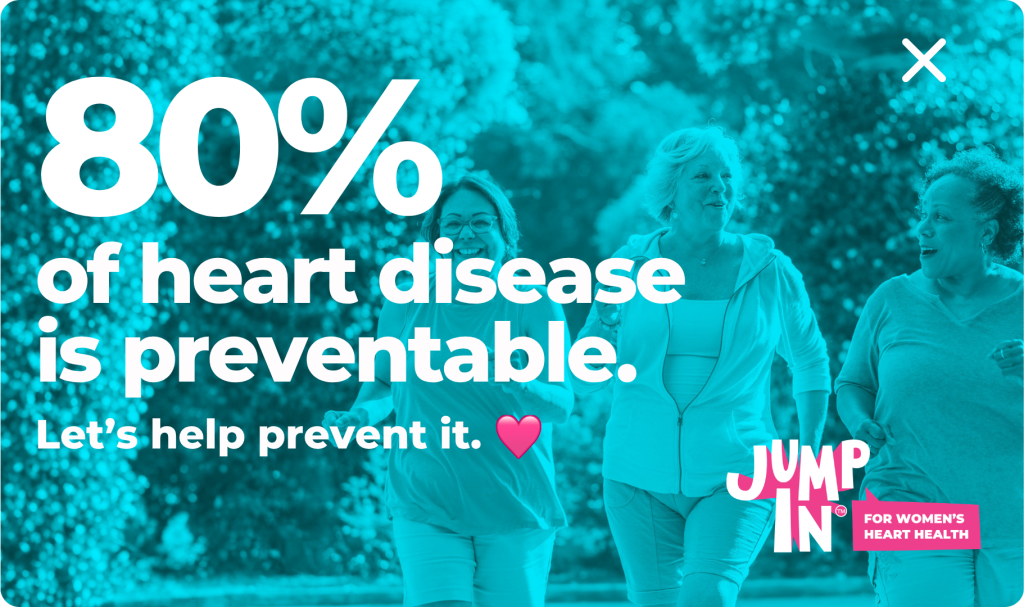
There are numerous risk factors that contribute to heart disease. Some of them, like family history, are not modifiable but many of them are. Screening can prevent larger cardiac events and save lives.
The risk factors for heart disease are also similar for other potentially harmful conditions. Through this screening process, we can prevent numerous diseases and their resulting complications as well.
The One Million Canadian Hearts screening process begins with an in-depth questionnaire that goes over heart disease factors, followed by an appointment to measure height, weight, abdominal circumference and blood pressure. A small blood sample is taken to check cholesterol levels along with a hemoglobin A1C, to screen for diabetes.
Using evidence-based risk scoring we can share results immediately with the participant and, depending on what their risks factors are, offer guidance related to lifestyle modification, a referral to health coaching, recommendation to see their family doctor or one of our cardiologists for further assessment or treatment, and assist with other referrals needed for specific risks.
With the pilot phase being finalized, we are now moving into the community to partner with hospitals, primary care providers and community centres, and then across the nation.
Partnerships have also been created with other hospitals and industry partners, who will be equipped to run their own clinics using a toolkit, training, ongoing education and support.
This initiative presents a unique opportunity to take the Heart Institute’s expertise and knowledge directly to the community and apply it before people become patients.
As the clinical lead of this project, I am most excited about going out into the community to connect with people who might not have access to the care they need.
By moving outside our community, throughout Canada, the Heart Institute will be further established on the map as the Canadian expert in heart disease while offering the healthcare system a welcome reprieve from soaring acute care costs.
This project will also fuel transformative research to help uncover the realities of heart disease. Data collected will help to answer questions about who is most at risk and how certain elements, such as socioeconomic and environmental factors, influence heart disease development.
This spring the Heart Institute will celebrate its 50th Anniversary. I have been fortunate to have been part of this history for 25 years, and it has gone by fast.
There is a lot to celebrate but also much work to be done.
What I love about the Heart Institute is that everybody has a universal purpose of striving to provide better cardiac care for our patients and beyond.
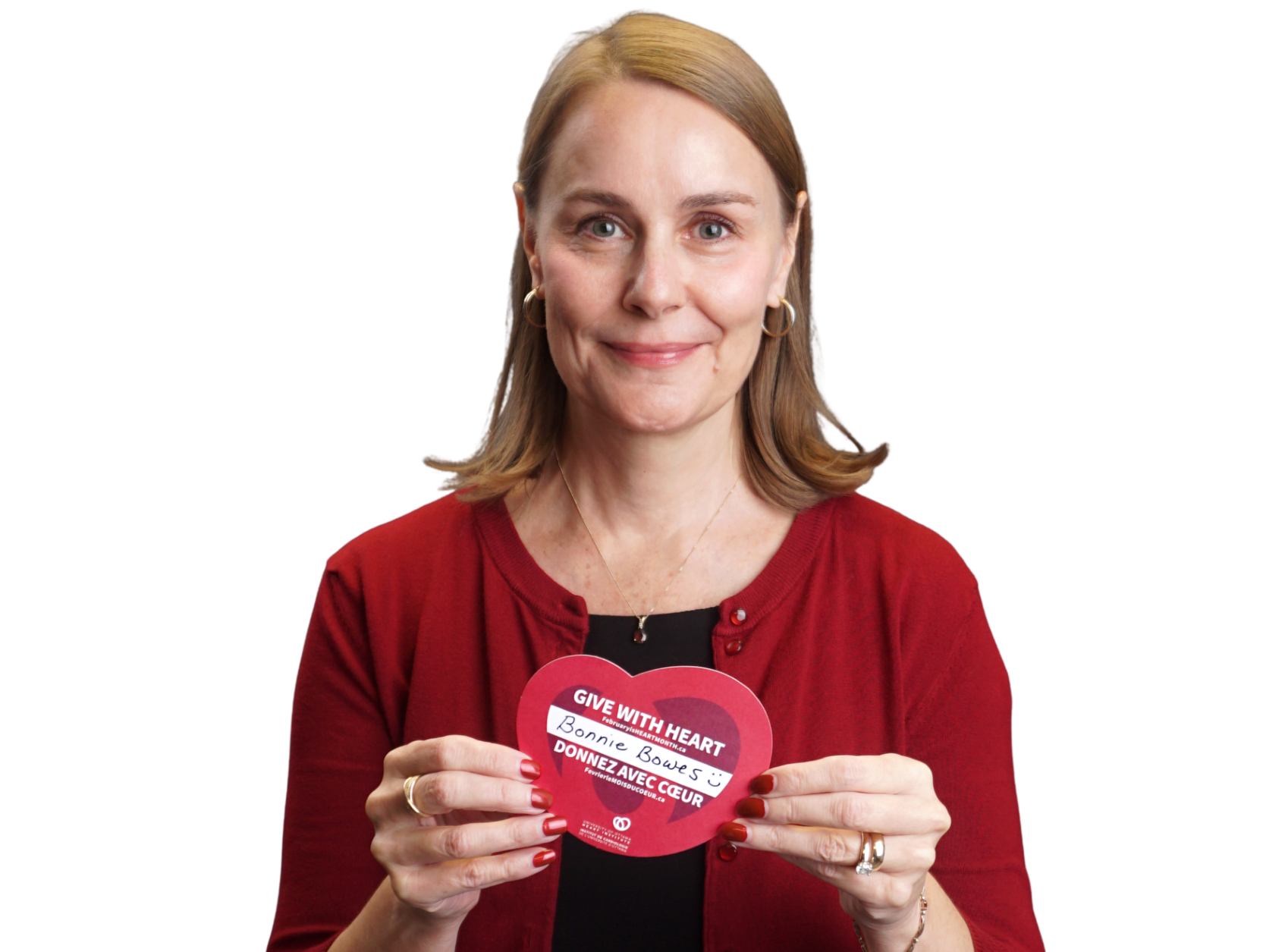
Being named the 2026 Heart Month Ambassador for the University of Ottawa Heart Institute is an incredible honour and a heartfelt responsibility.
As Canada’s foremost cardiovascular centre, the Heart Institute represents innovation, compassion, and an unwavering commitment to saving lives.
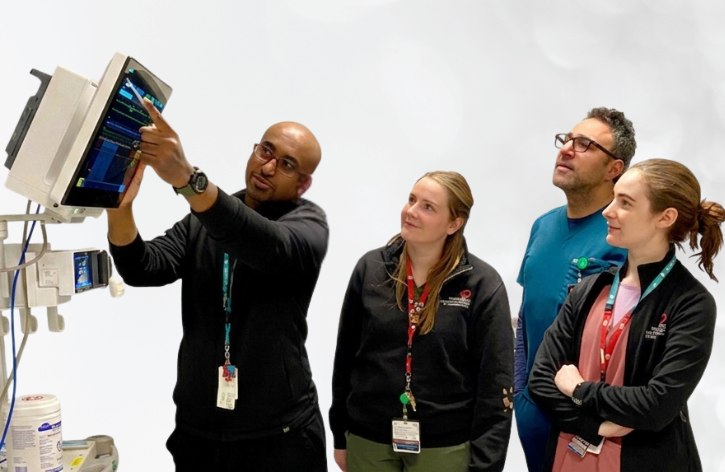
I’m proud to stand alongside this exceptional team to raise awareness, promote prevention, and champion heart health across our communities. Together, we’ll ignite conversations, share powerful stories, and empower Canadians to take their heart health to heart.
On September 16, 2025, built on the background of successful innovations such as the mobile valve screening program, the Institute launched the One Million Canadian Hearts initiative as a Hallmark Initiative of our new five-year strategic plan, “Your Heart. Your Institute. Our Future Together”.
With a goal of screening one million Canadians for cardiovascular disease risk factors, One Million Canadian Hearts is focused on preventing cardiovascular disease by screening early, identifying risk factors and intervening swiftly.
We want to eliminate risk factors to help prevent heart disease from ever occurring and work to create healthier communities.
There are numerous risk factors that contribute to heart disease. Some of them, like family history, are not modifiable but many of them are. Screening can prevent larger cardiac events and save lives.
The risk factors for heart disease are also similar for other potentially harmful conditions. Through this screening process, we can prevent numerous diseases and their resulting complications as well.
The One Million Canadian Hearts screening process begins with an in-depth questionnaire that goes over heart disease factors, followed by an appointment to measure height, weight, abdominal circumference and blood pressure. A small blood sample is taken to check cholesterol levels along with a hemoglobin A1C, to screen for diabetes.
Using evidence-based risk scoring we can share results immediately with the participant and, depending on what their risks factors are, offer guidance related to lifestyle modification, a referral to health coaching, recommendation to see their family doctor or one of our cardiologists for further assessment or treatment, and assist with other referrals needed for specific risks.
With the pilot phase being finalized, we are now moving into the community to partner with hospitals, primary care providers and community centres, and then across the nation.
Partnerships have also been created with other hospitals and industry partners, who will be equipped to run their own clinics using a toolkit, training, ongoing education and support.
This initiative presents a unique opportunity to take the Heart Institute’s expertise and knowledge directly to the community and apply it before people become patients.
As the clinical lead of this project, I am most excited about going out into the community to connect with people who might not have access to the care they need.
By moving outside our community, throughout Canada, the Heart Institute will be further established on the map as the Canadian expert in heart disease while offering the healthcare system a welcome reprieve from soaring acute care costs.
This project will also fuel transformative research to help uncover the realities of heart disease. Data collected will help to answer questions about who is most at risk and how certain elements, such as socioeconomic and environmental factors, influence heart disease development.
This spring the Heart Institute will celebrate its 50th Anniversary. I have been fortunate to have been part of this history for 25 years, and it has gone by fast.
There is a lot to celebrate but also much work to be done.
What I love about the Heart Institute is that everybody has a universal purpose of striving to provide better cardiac care for our patients and beyond.
Being named the 2026 Heart Month Ambassador for the University of Ottawa Heart Institute is an incredible honour and a heartfelt responsibility.
As Canada’s foremost cardiovascular centre, the Heart Institute represents innovation, compassion, and an unwavering commitment to saving lives.
I’m proud to stand alongside this exceptional team to raise awareness, promote prevention, and champion heart health across our communities. Together, we’ll ignite conversations, share powerful stories, and empower Canadians to take their heart health to heart.