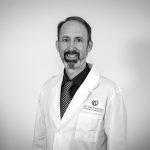
Introducing Dr. Katey Rayner, your new Chief Scientific Officer at the University of Ottawa Heart Institute
My family used to joke with me and say that I was not a “typical” scientist. I didn’t spend my time as a child examining bugs, or leaves, taking things apart or making potions.
I always wanted to know how the body worked. That is still what I do now as a scientist.
Today, I wear a white lab coat, design, and implement experiments, use test tubes and flasks. I spend long hours analyzing results, always asking why?
How does the heart do what it does?
Or, more importantly, why do things go wrong?
And…how can we fix it?
It was this intense curiosity I had as a child that has stayed with me over the decades as I continue to investigate, along with my team, how heart disease happens and how the heart works, or in our case, stops working.
It’s exhilarating and simultaneously shocking how little we still know and how much more we can discover to improve patient care and treatments and save more lives.
I am excited to bring this energy to my role as the new Chief Scientific Officer. The bonus is that Ottawa is my hometown. I am privileged to be a leader at an exceptional and unique organization.
Today, we need your help more than ever. Finding new solutions requires early funding from people like you. Would you consider a special year-end donation to ensure we have the right tools, treatments, and people at your Heart Institute?
The other day, I was sitting with a friend when I was asked to explain my job. The best analogy is how similar research is to a road trip.
We know where we are heading as we travel through unchartered territory, but there is no “G.P.S.” because we are making the map as we go.
We need to replenish gas and fuel constantly. On this trip, we require more time and more money because we know that cardiovascular disease remains the number one cause of death in Canada.
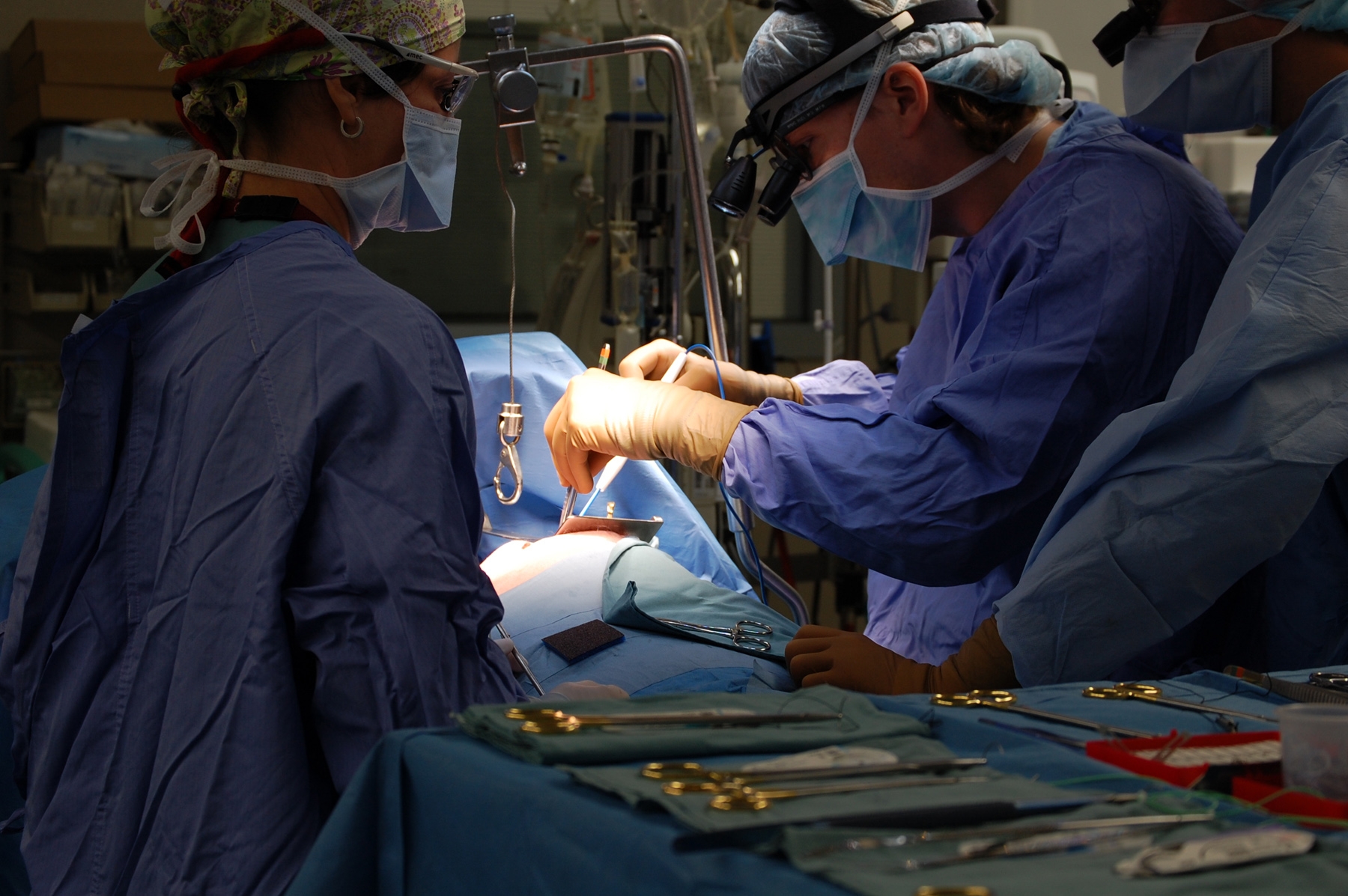
Now is an especially promising time for research. Over 65 researchers and 28 scientists are conducting 315 clinical research studies with our wards, O.R.s and procedure rooms, with hundreds more happening in the labs down the hall.
We are pushing the envelope with new and innovative programs like our Valvular Heart Disease Mobile Screening Program, which is happening right now in your community. Valvular heart disease is predicted to be the next epidemic of cardiovascular disease in Canada.
To tackle this, we are bringing our excellence in diagnosis and care out into the region using our heart clinic on wheels. We are helping people get the care they need right in their neighbourhoods. We will also use this innovative and community-driven approach to guide our research questions so that we can develop future treatments.
This initiative is just one example of current research projects that inspire me. The University of Ottawa Heart Institute (UOHI) is a voice for cardiovascular disease research nationwide and internationally. Because of our unique structure, we are a driving force in the field.
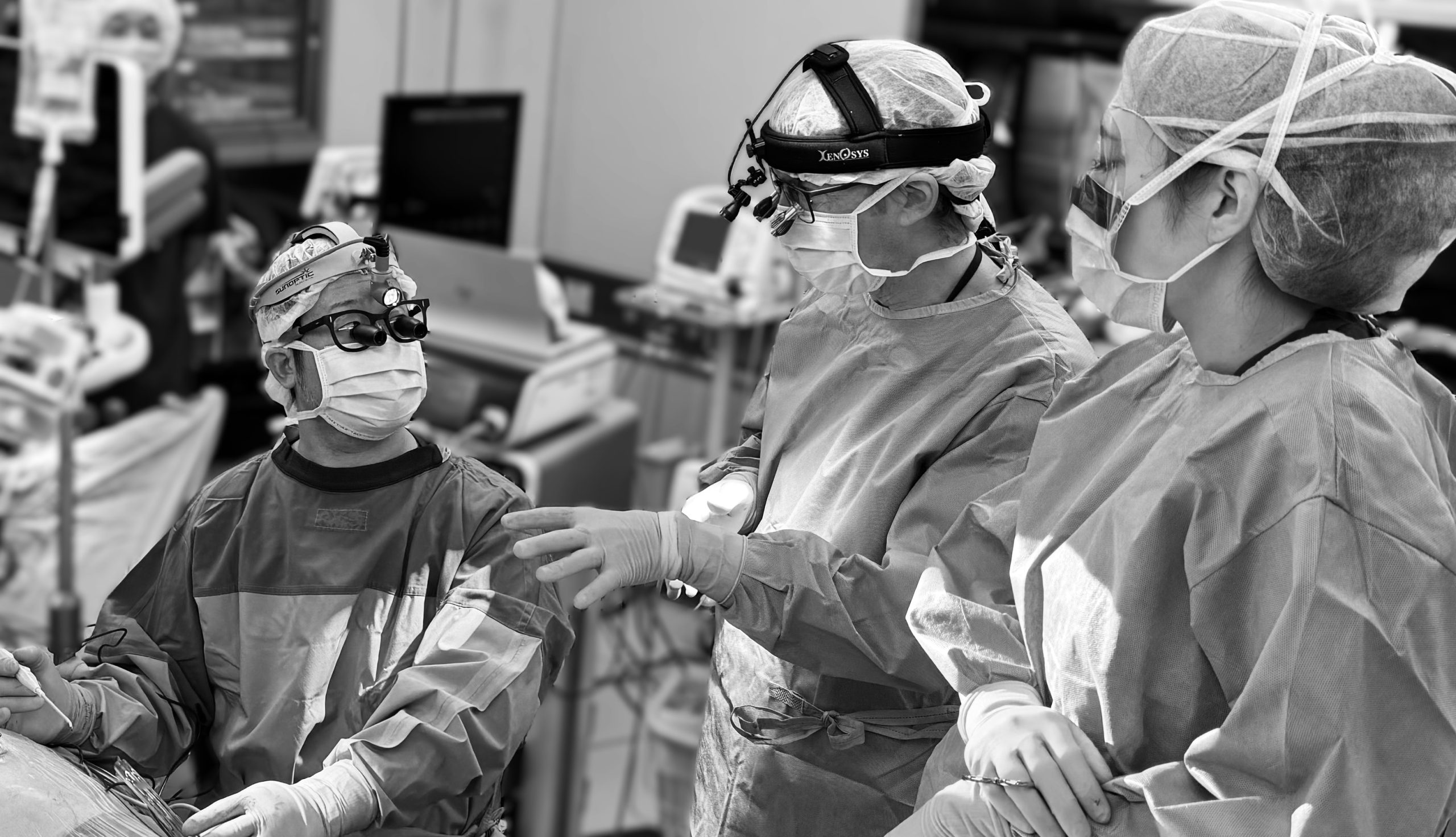
We are all under one roof. The cardiologists, cardiac surgeons, doctors, nurses, and healthcare teams are right here, collaborating with researchers in their labs and at the patients’ bedsides.
For example, scientists like Dr. Ian Paterson, director of the Canadian Centre for Rare Cardiac Conditions (CCRC), treats patients in his clinic. He also conducts research studies on how magnetic resonance imaging (M.R.I.) and cardiac imaging can used to better study and solve rare cardiac conditions.
Scientists like Dr. Christopher Sun study how we harness the latest in machine learning and data science to find new insights. His work is about anticipating, identifying, and treating the frailest of patients and significantly improving wait times.
We also have creative and incredible innovators like Dr. Emilio Alarcon. His team tried over 2,000 formulations until they found the right mix of a gold and amino acid-based nanoengineered sprayable therapy. This treatment can be applied to damaged heart tissue. This special compound is like a “heart patch” and grabs onto the damaged heart tissue, increasing cardiac function and helping the heart to heal following a heart attack.
In terms of my own research, along with my team, we study how inflammation underlies common diseases. We study coronary artery disease, obesity, and dementia. What we have discovered so far gives us direction for what is next for patient care in Canada. We are developing new and promising medicine.
Even now, at the Institute’s research wing, my team is evaluating a new drug that will improve diabetes markers with the main goal of reducing cardiovascular disease risk.
A new treatment can take over a decade to develop upon first discovery. That initial insight, whether a new medication, protocol, or test, must be verified rigorously before becoming a new patient treatment.
At the Institute, we ask questions about improving your care and work across disciplines to find new and sometimes surprising discoveries. Based on what we uncover, we regularly update patient guides and treatments.
My work is motivated by people like you. You believe in this exceptional Institute, that cares for almost 1,000 patients, family members, and loved ones daily.
Your donations give us fuel.
Your vision and passion are like our map as we chart our course to a new era of heart health.
So, I always go back to my “why” which is always putting patients first.
Patient care is personal for me. My mom became a heart patient before I started working at the Institute. She had to face the unknown of undergoing heart surgery. Her surgeon was Dr. Thierry Mesana, a pillar of the Institute and a future mentor of mine. Life’s path is funny that way. What one might consider a road bump becomes a positive redirection.
With your help, we work on the frontiers of cardiovascular science to bring you new treatments from bench to bedside, and beyond. I know firsthand that we would not have innovative patient care without ongoing research.
Like many, I juggle competing responsibilities like rink schedules, carpools, and grant presentations. I’m a hockey mom, a scientist, and a leader. Nonetheless, at the end of the day, I am laser-focused on positively contributing to cardiovascular science, my family, and my community.
I mentor many research students and trainees. They’re motivated by my new role. I am thankful for the bright and curious minds that I collaborate with.
Researchers are my fellow explorers who understand the thrill and the demanding work of discovery. It requires many hours of research, study, and analysis as we improve your care and treatment.
So, we are focused on the long haul. With a trove of talented scientists, we labour with passion and focus on solving mysteries.
Research is the path and the promise of future treatments.
We are more determined and inspired than ever to do this work, which helps hundreds of thousands of patients annually.
This holiday season, when I celebrate with my family, I will look at my mom and my children and feel proud knowing that I am truly making a difference in the lives of cardiac patients.
I also know what my Christmas wish will be—with your help, we will increase healing and save more lives.
Wishing you and yours a healthy and happy holiday season,
Dr. Katey Rayner
Chief Scientific Officer / V.P. Research
University of Ottawa Heart Institute
P.S. We need donations today to help find new improvements in treatments and patient care. Your generous gift will allow us to support and retain the best research staff in the country, who will make today’s discoveries for tomorrow’s treatments.
P.P.S. This holiday, please send your best wishes for the special season to the researchers, doctors, surgeons, nurses, and health care team. Share your “heart” stories and show them how much you care on the enclosed send-back card.