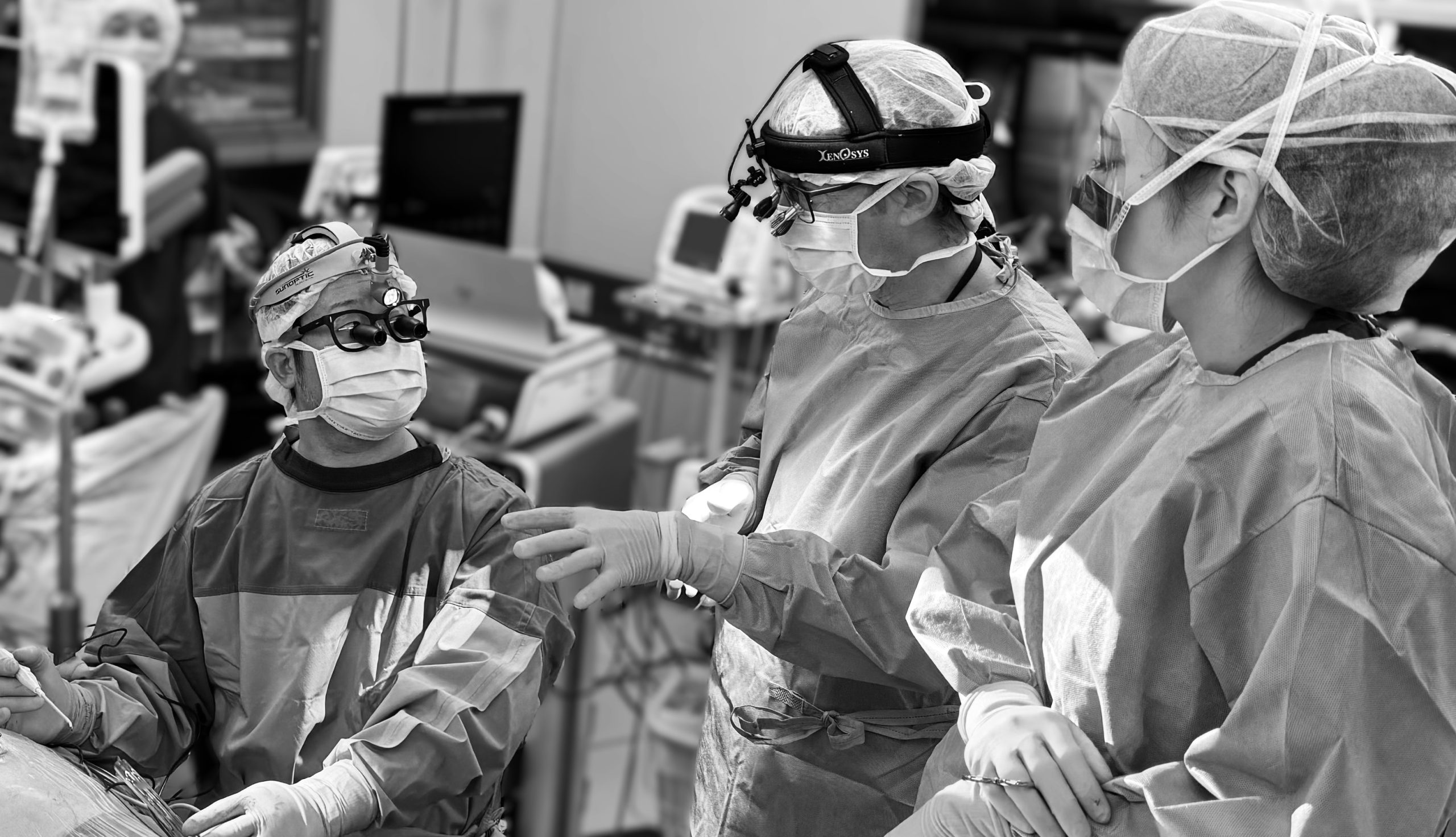
A story from a University of Ottawa Heart Institute patient.
Little did anyone know that the young man sending off his medical school acceptance letter at Sue’s neighbourhood pharmacy, would one day become the doctor who would help change her life.
Yet before that fateful meeting could happen, Sue’s years-long health crisis was reaching a pivotal point.
Sue, a pharmacist aged 54, felt that something was not quite right. Despite a healthy lifestyle she was regularly experiencing worrying symptoms and a racing heart.
Daily, her heart would go into spasm, sometimes up to 18x per day, with episodes that would last from 30 seconds up to two minutes.
She remembers:
My chest pain was like someone had their clenched fist, tightening it around my heart causing shortness of breath.
I was short on answers, my quality of life had worsened, and I felt that I was fighting to be believed. I was losing hope.”
Sue poured over her internet search results, looking for clues to her condition. By chance, she found an online presentation from a staff member at the University of Ottawa Heart Institute.
The presenter was a young Dr. Zeeshan Ahmed, who was still a clinical Fellow at the time—the very man who would change her life.
Dr. Ahmed shared research and early results from his mentor’s work, Dr. Aun Yeong Chong.
(You can read Dr. Chong’s full letter, here.)
Their area of shared passion was something called microvascular surgery.
“Our patients… all their tests come back normal, but they’re suffering from chest pain. Often it is a woman in her 50s.”
Sue related to this description and discussed it with her doctor right away. She requested a calcium channel blocker prescription, which is part of the recommended protocol. Her symptoms were cut in half.
The day that Sue finally got to meet Dr. Ahmed in person will be one she will never forget.
“I was like…there he is! The one person who described exactly what I was going through and offered me hope…even before I met him. I joke that I ‘manifested him’!”
Sue and Dr. Ahmed also had other connections to celebrate as they discovered that they both worked and lived in the very same Orleans neighborhood.
Dr. Ahmed shares, “What are the chances? Growing up, I regularly went to Sue’s pharmacy. I even mailed my medical school acceptance letter there.” This “full-circle” moment is also why Dr. Ahmed became an interventional cardiologist in the first place.
“With the help of our UOHI’s brand-new Coronary Function and Imaging Clinic (CFIC) , we can give patients just like Sue the answers they need that can change their lives for the better.” Sue wanted a diagnosis that explained all of her symptoms. She agreed to undergo a relatively new procedure called a provocative angiogram.
The Ottawa Heart Institute is one of the only centres in Canada that can perform this diagnostic test. After the procedure, her team confirmed that she had microvascular angina plus spasm of the large artery. “It was such a relief,” she shares. “I am part of an online support group for heart conditions.
Many patients can wait at least five years for a diagnosis, if not much longer.”Another advantage of obtaining a complete diagnosis, aside from receiving targeted drug treatment, is that patients have better access to support programs, and outpatient medicine at related clinics. The community’s need for the CFI clinic is real and growing.
“We are proud to offer specialized, individualized, world-class service tailored to patients that have been overlooked. We treat them promptly and are motivated by a genuine desire to help.”
“When planning the roll-out of the clinic, we thought we might see 50 cases a year. We’re going to achieve that target in the first three months of 2025,” adds Dr. Ahmed, “this will be a ‘game-changer’ for patient care.”
“I am very grateful to Dr. Ahmed and Chong. I feel such a deep sense of relief. I am finally exactly where I need to be,” says Sue.
Her heart-health journey is far from over, but Sue feels like she can be hopeful for the future.
For those that are still looking for answers, much like Sue once was, she encourages patients to not lose hope and always advocate for themselves.