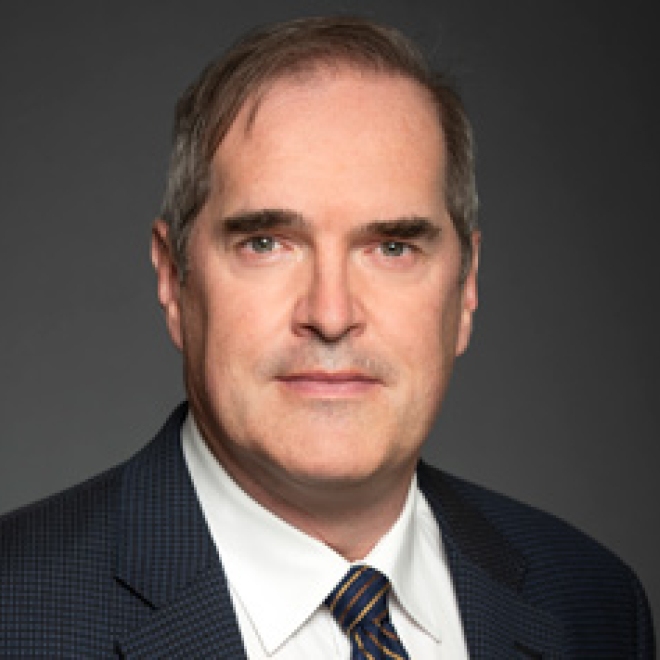
Dr. Bernard McDonald
Head, Division of Cardiac Anesthesiology
University of Ottawa Heart Institute
Once an offensive lineman, always a protector, but instead of watching over quarterbacks I now feel fortunate to protect those most vulnerable at their time of surgery and beyond. Today, as a cardiac anesthesiologist, every decision I make is focused on protecting, stabilizing, and guiding patients safely through some of the most complex and delicate procedures in medicine.
During my anesthesia residency and critical care fellowship in Ottawa, I saw the Heart Institute as the apex of everything I aspired to be. It treated the sickest patients, offered the most advanced care, and was staffed by people who I admired the most across multiple domains.
This included a distinguished group of physicians who played a pivotal role in establishing the Institute’s Critical Care program. Treating those with life-threatening conditions, critical care is fundamentally dedicated to supporting and restoring organ function while the body attempts to heal.
Currently, the Institute is a big player in critical care both in the city, region, and country. We are a Level Three ICU and the only site between Toronto and Montreal equipped to offer lifesaving treatments, like mechanical circulatory support. Compared to other hospitals in the region, we maintain an impressive ratio of ventilators and monitors to ward beds.
The provision of critical care is also incredibly expensive to provide and chronically underfunded in Ontario. Donors like you make it possible to invest in the futures of our patients. Would you consider a holiday gift to ensure that the Heart Institute can continue to provide lifesaving treatments to patients during their most critical moments?
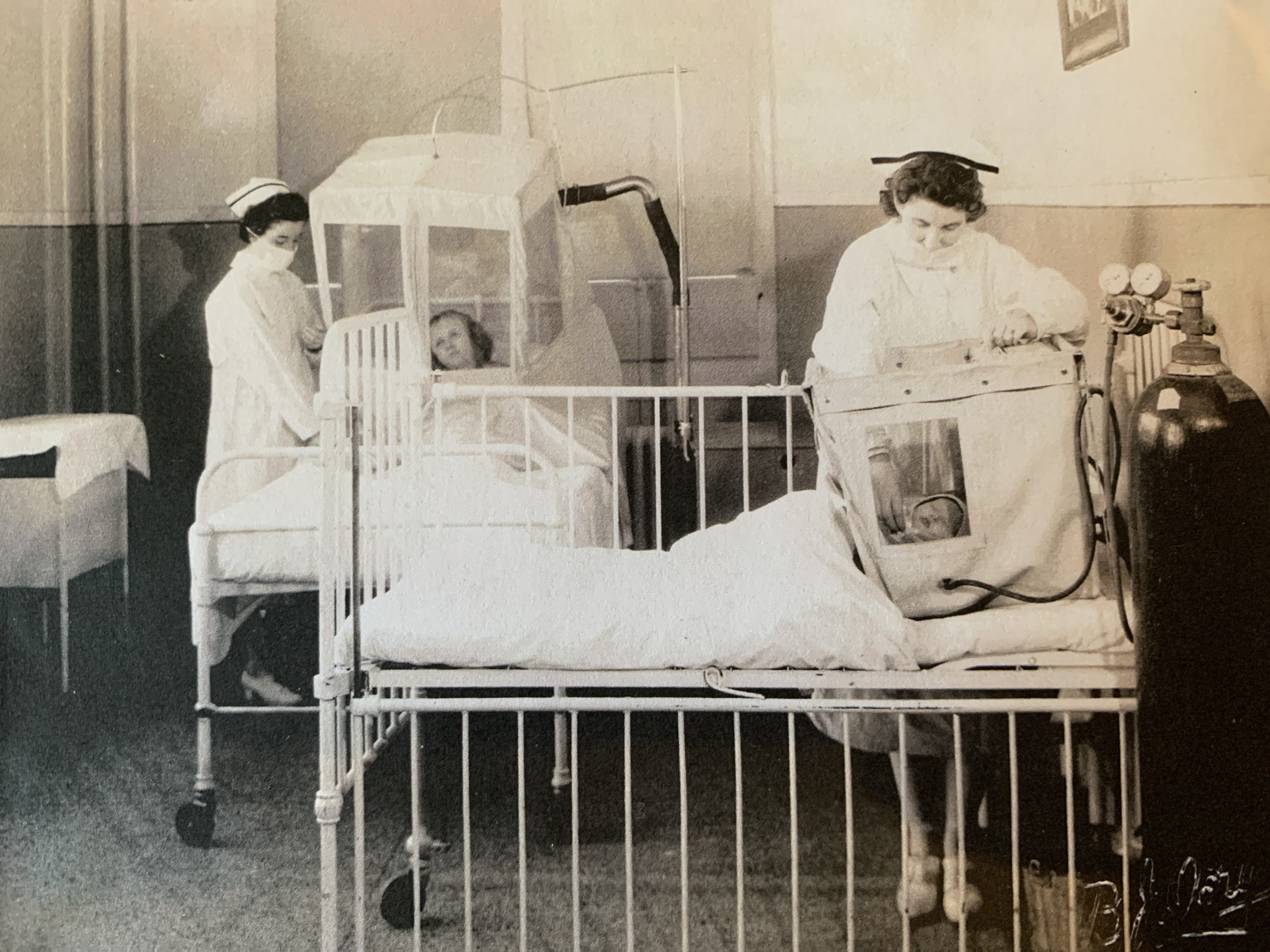
Historically, critical care emerged during the polio epidemics of the 1950s when patients requiring ventilation and monitoring were grouped together in an intensive care unit (ICU).
From there, ICUs evolved to the provision of critical care through invasive life support like mechanical ventilation, powerful drugs and other highly specialized life supportive technologies.
In 1994, Institute founder, Dr. Wilbert Keon invited Dr. Mike Bourke, an anesthesiologist at the OHI, to become the first medical director of the ICU. A response to the growing volume and intricacies of heart surgery, this new model would shift the provision of postoperative care from a patient’s surgeon to a designated ICU physician dedicated to the specialized care and training required to treat the Institute’s most critically ill patients.
With no formal training path in place, these early critical care pioneers delved deeply, drawing on prior training, current knowledge, and experiences gained through years of dedication to this ICU.
In the early 1990s, the Royal College of Physicians of Canada recognized critical care as a specialty with one of the first training programs offered here in Ottawa. I was one of the first graduates of a fellowship program in critical care medicine at the University of Ottawa and joined the Heart Institute as a member of the Division of Cardiac Anesthesiology in 2002.
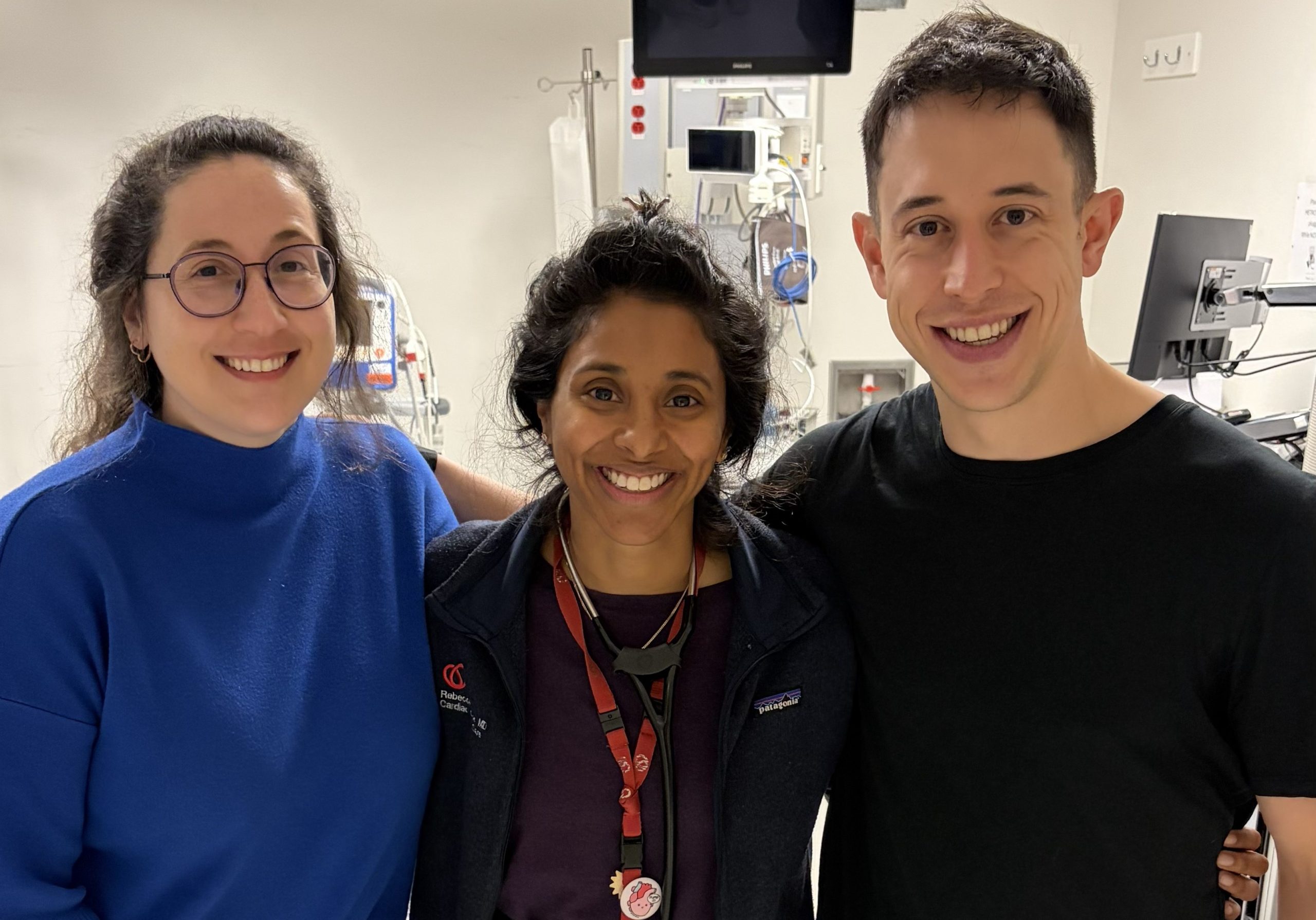
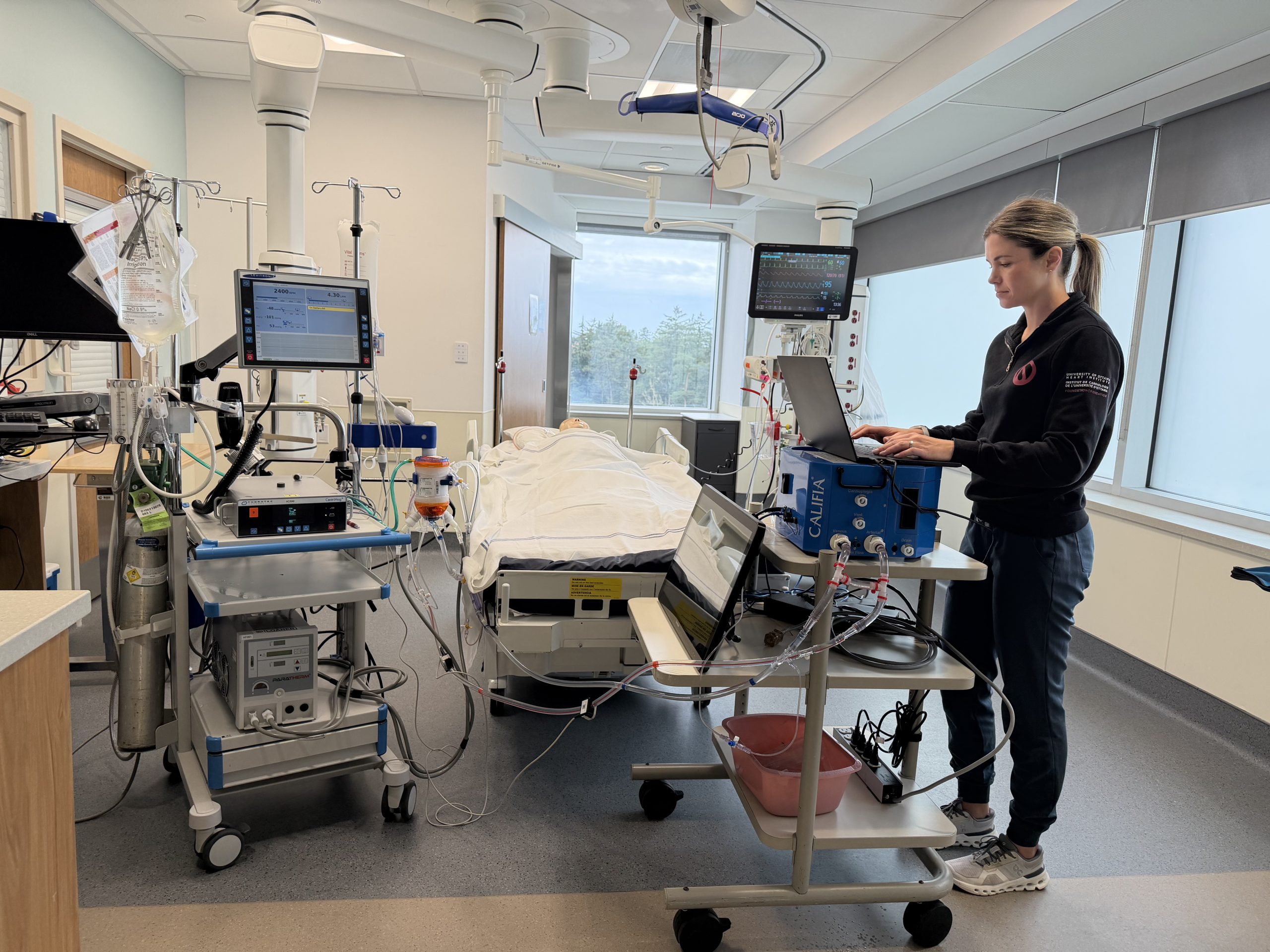
Today, critical care at the Heart Institute is provided through two separate ICUs. The Cardiac Surgery ICU (CSICU) and Intensive Cardiac Care Unit (ICCU). In my position as medical director of the CSICU from 2009-2021, I led a team with the distinguished ability to use advanced mechanical circulatory equipment to support the heart and lungs of our patients. The CSICU’s specialized staff are trained to deliver extracorporeal membrane oxygenation (ECMO), a life support technique where blood is pumped out of the body, to receive oxygen and remove carbon dioxide, and returned.
In fact, some of the patients in the CSICU arrive here with respiratory failure or a bad pneumonia, instead of cardiac pathology, because we are the only ones in the region with the devices and expertise needed to keep them alive.
Over the past three decades critical care at the Institute has evolved to keep pace with the complexities and advancements of modern medicine.
The available therapies and procedures performed today are also more complex as are the conditions of people we can now treat surgically. To ensure gold-standard critical care for our patients the Institute has shifted to a multidisciplinary team-based model.
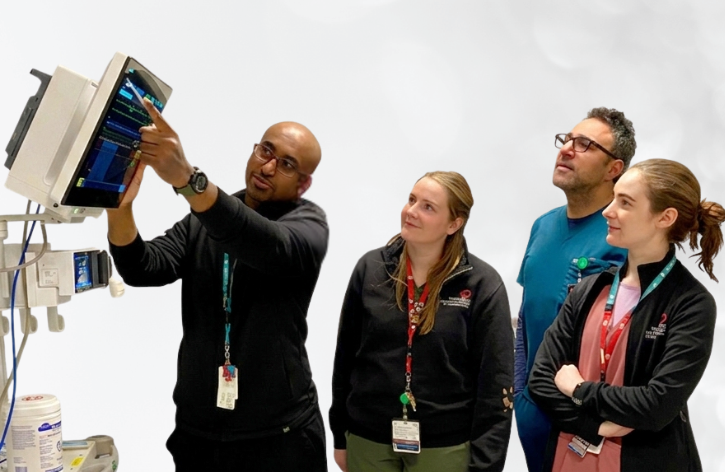
Credit for our continuously improving outcomes, belongs to the nurses, respiratory therapists, pharmacists, physiotherapists, students, physician leads and others who bring their education, dedication, specialization and knowledge base to every shift.
For over 50 years, the Heart Institute has prioritized patient-centred care. This mandate is especially crucial in both ICUs as our sickest patients cannot speak for themselves and frequently do not resemble the people known outside of the hospital.
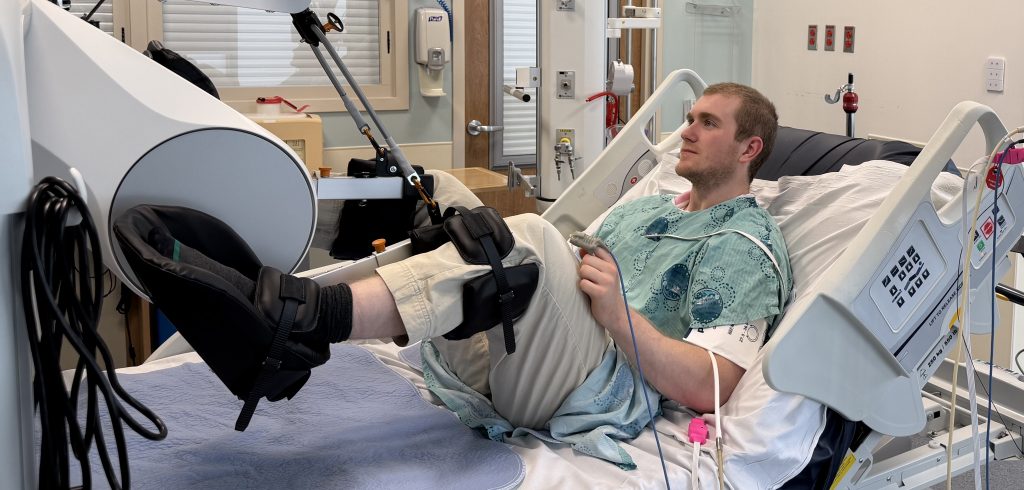
Gifts of equipment, like this bed cycler, are advancing patient care by helping the critically ill to rebuild strength and regain mobility during the early stages of their recovery.
Family members are a valuable source of connection to a patient’s humanity, and a trusting rapport must be built quickly during life and death situations filled with time pressures and need to make decisions that the patient would choose.
Years of rapid innovation, improving all aspects of care for the critically ill, have now made it possible to extend our attention from short-term patient outcomes to their long-term futures and wellbeing. The work we do comes at a high human cost. Ever present difficulty and uncertainty take a toll on both the patient and their family. And we want to make sure that the outcome we are working toward is one that they would want.
In my early days, discussions with patients and families about whether to continue care, were informed from past experiences treating a broad range of medical and surgical patients in the ICU. To best guide them through difficult decisions, I wanted to know more about the longterm outcomes of our patients recovering from cardiac surgery.
Research makes you a better physician and can be born of sheer curiosity, looking at quality, or from wanting to make a difference. Sometimes it is simply the human story and wondering, “What happened to that person?”
For me, the simple question, “Was it worth it?” has formed the main basis of my academic career at the Institute to this point.
I started this project by contacting our former long-term ICU patients to ask them questions like, “How’s it going?”, “Are you able to care for yourself?” and “Are you living at home?”.When asked my final question, “Would you do it again?”, 95% of patients answered yes. I also learned that if our patients could survive their critical illness, the overwhelming odds were that they would live independently at home. This data became a valuable tool that changed how our staff provide critical care and improved patient outcomes. Knowing that a difficult struggle had long-term value for patients permitted us to be more proactive instead of reactive.
Every case is individual and sadly some patients, despite every intervention, will not get better. But for those who we think we can get better, we often do get them better. And we don’t give up. We carry on and we push harder because our unique environment allows us to do so.
Our team has also learned over time that sometimes doing less can have better results.
Experience and research have taught us to sometimes step aside, lighten sedation, let patients breathe without a ventilator, and heal at their own rate.
When asked to reflect on what makes me proud to have built a career at the Heart Institute, I can say that I am proud of everything. I am proud of decades working alongside so many incredible people, providing the highest quality of patient care. I am also proud to work for an organization that has given us everything that we need to succeed.
The remarkable care and outcomes we achieve are only possible because of caring donors like you. As we reflect on another year of hope and healing, we are deeply grateful for your support. Your generosity helps our teams deliver exceptional care and lifesaving outcomes for heart patients every day. From all of us at the Heart Institute, thank you for standing with our patients, families, and care teams. We wish you peace, joy, and good health during this holiday season and throughout the year ahead.